ChamSys Consoles A Common Sight At Glastonbury
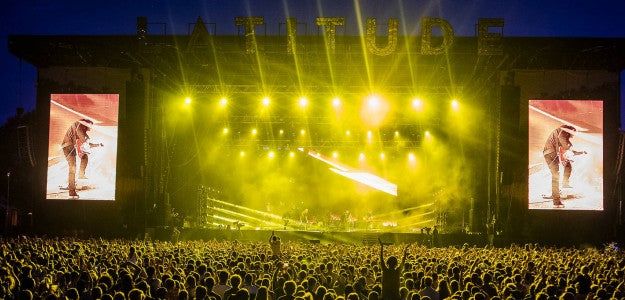
PILTON, UK – It was business as usual during the 36th edition of the Glastonbury Festival. But given this event’s penchant for delighting the imagination with joyfully spontaneous eruptions of the outrageous and unexpected, this means that things were anything but “usual” during the five-day free-spirited celebration of music and life.
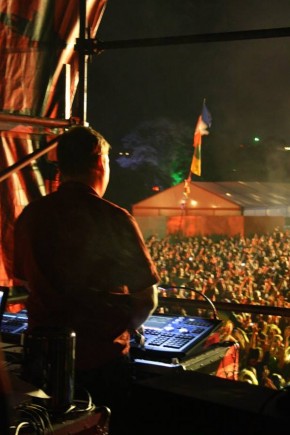
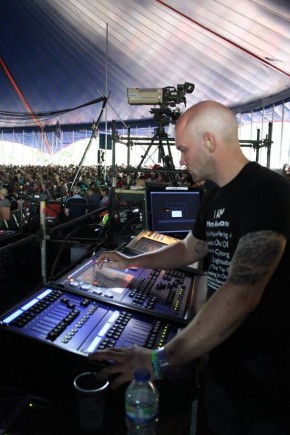
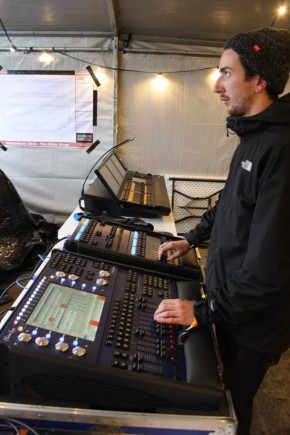
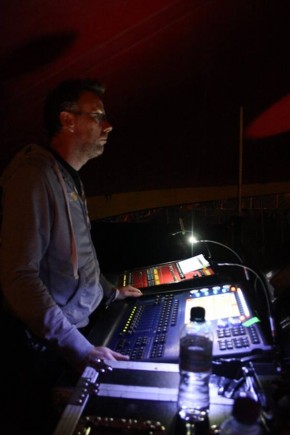
Of course, there are some things that can be expected at Glastonbury year after year, such as standout performances by major stars, stunning stage designs, colorful banners fluttering on the hillsides, fans in wildly creative costumes, and ChamSys consoles being used just about everywhere.
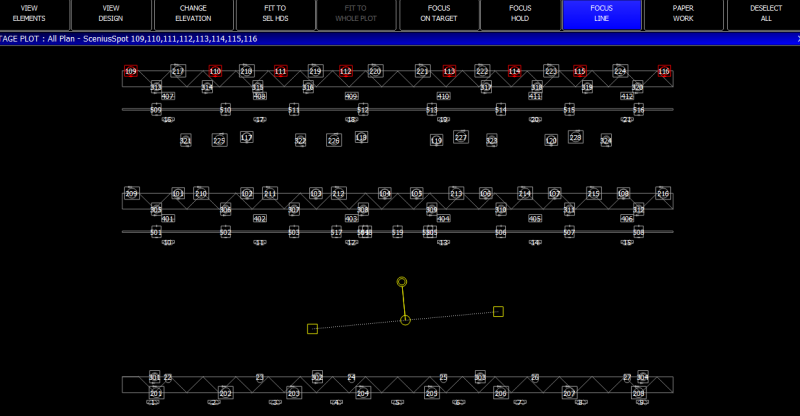
 This year, ChamSys desks were included in the production designs on eight Glastonbury stages, in addition to others being brought to the festival by a host of LDs working for a wide range of artists like Simon Horn for Maribou State, Isabel Del Moral for Rosalia, and Gary Wilson for Lewis Capaldi.
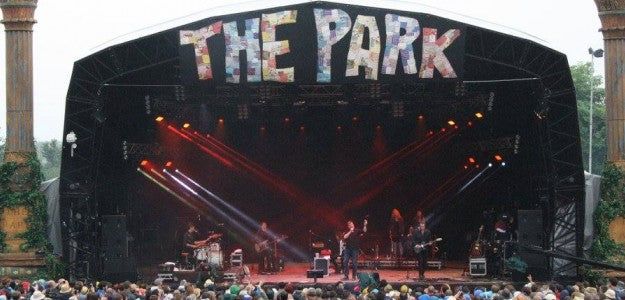
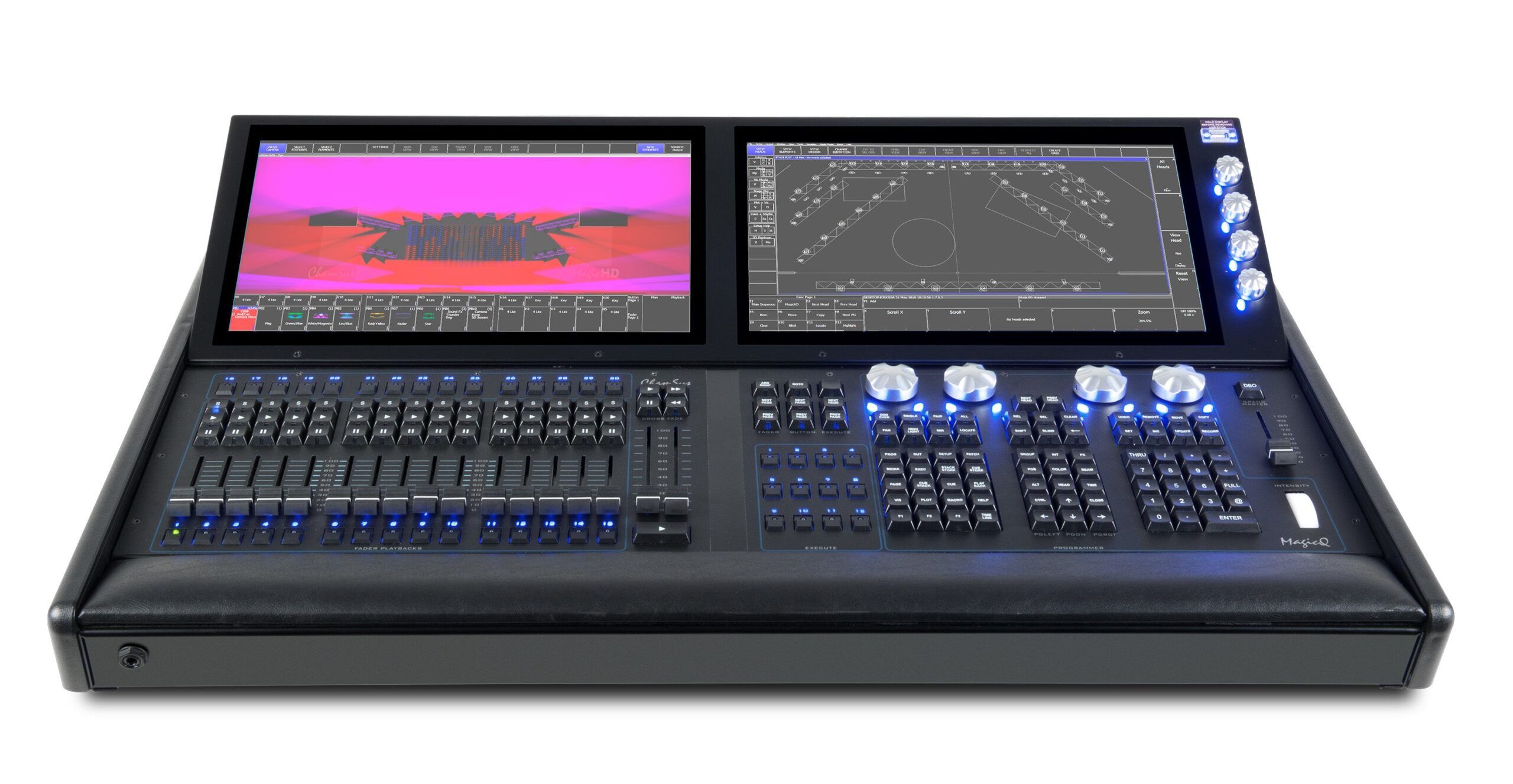
At the popular Park Stage, a MagicQ MQ500 Stadium with a Stadium Playback Wing served as the main desk, where it was used by a variety of LDs, including Tom White for Michael Kiwanuka. South West Group Events, which provided stage production, supplied the MQ500 Stadium, as well as the MagicQ MQ80 backup console. The Lighting Manager for the stage was Callam Thom, and the Console Operator was Steven “Mac” McCracken.
 Southampton-based GLS Lighting supplied a MagicQ MQ100 plus Playback Wing for the Avalon Stage, which was overseen by Console Operator Will Thomas. The impressive artist list on that stage included James Morrison, with the desk operated by long-time ChamSys user Martin Dudley of Martin’s Lights, and The Cat Empire with LD Paula Trounce.
Other places where ChamSys could be found during the festival included:
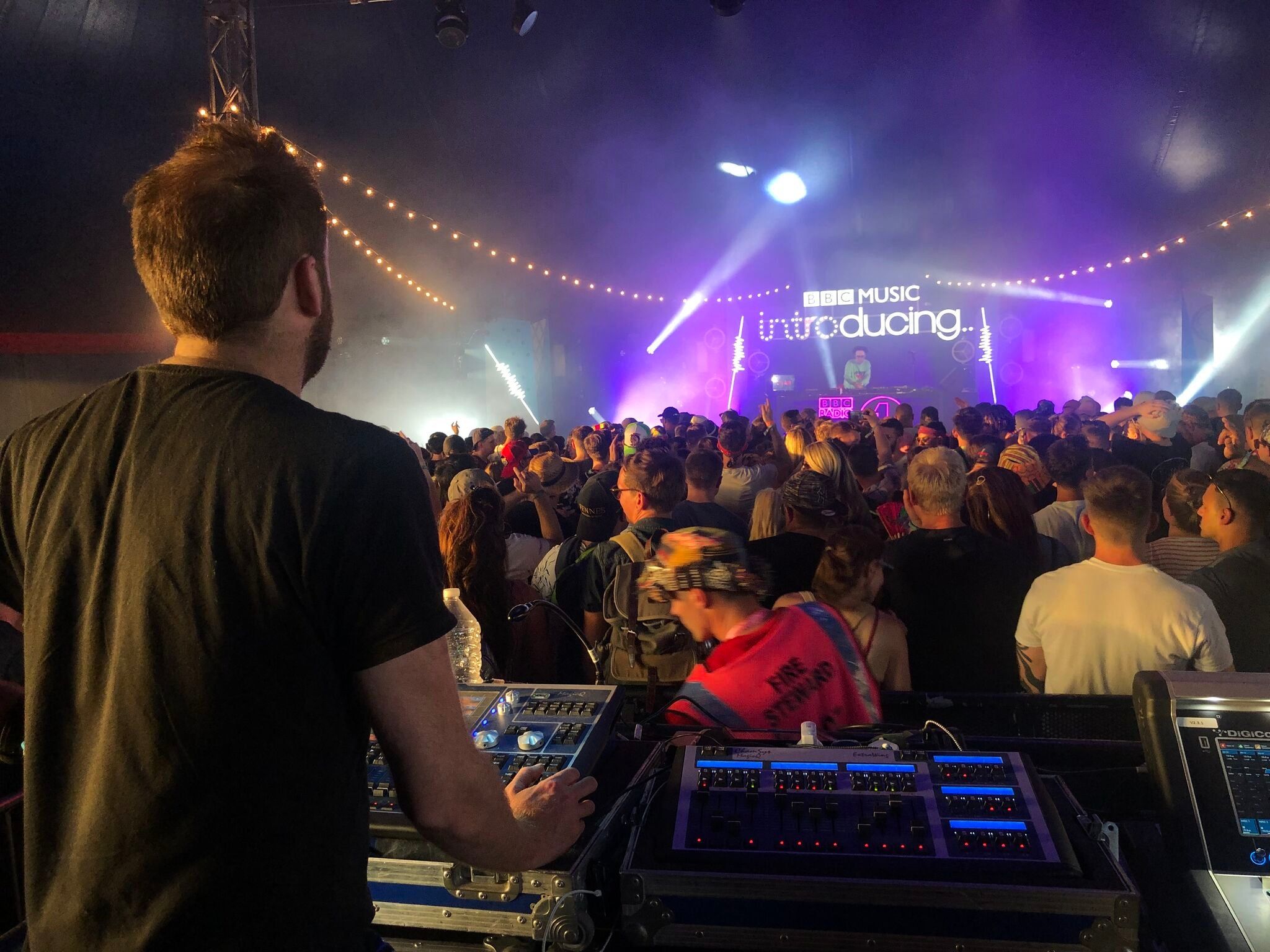
- The BBC Introducing Stage, which had an MQ80 plus an Extra Wing Compact operated Zac Leighton and Alex Merrett over the festival.
- Silver Hayes WOW Stage, which featured an MQ100 Pro 2010 kit supplied by Fineline Lighting and operated over the weekend by James “Chimpy” Harrington.
- Left Field– With an MQ80 and Extra Wing Compact supplied by and operated by South West Group Events.
- Greenpeace Field, which featured a MagicQ MQ500 programmed by David Howard.
- Unfairground, which featured a MagicQ MQ80.
- The Rabbit Hole Inn Bar, which had a MagicQ MQ80 supplied and programmed by David Howard.
So even though fans have come to expect the unexpected from the world’s largest green field festival, the lighting designers and artists who come to Glastonbury want a consistent level of performance they know they can rely on, which is why ChamSys continues to be a common sight at the Worthy Farm.



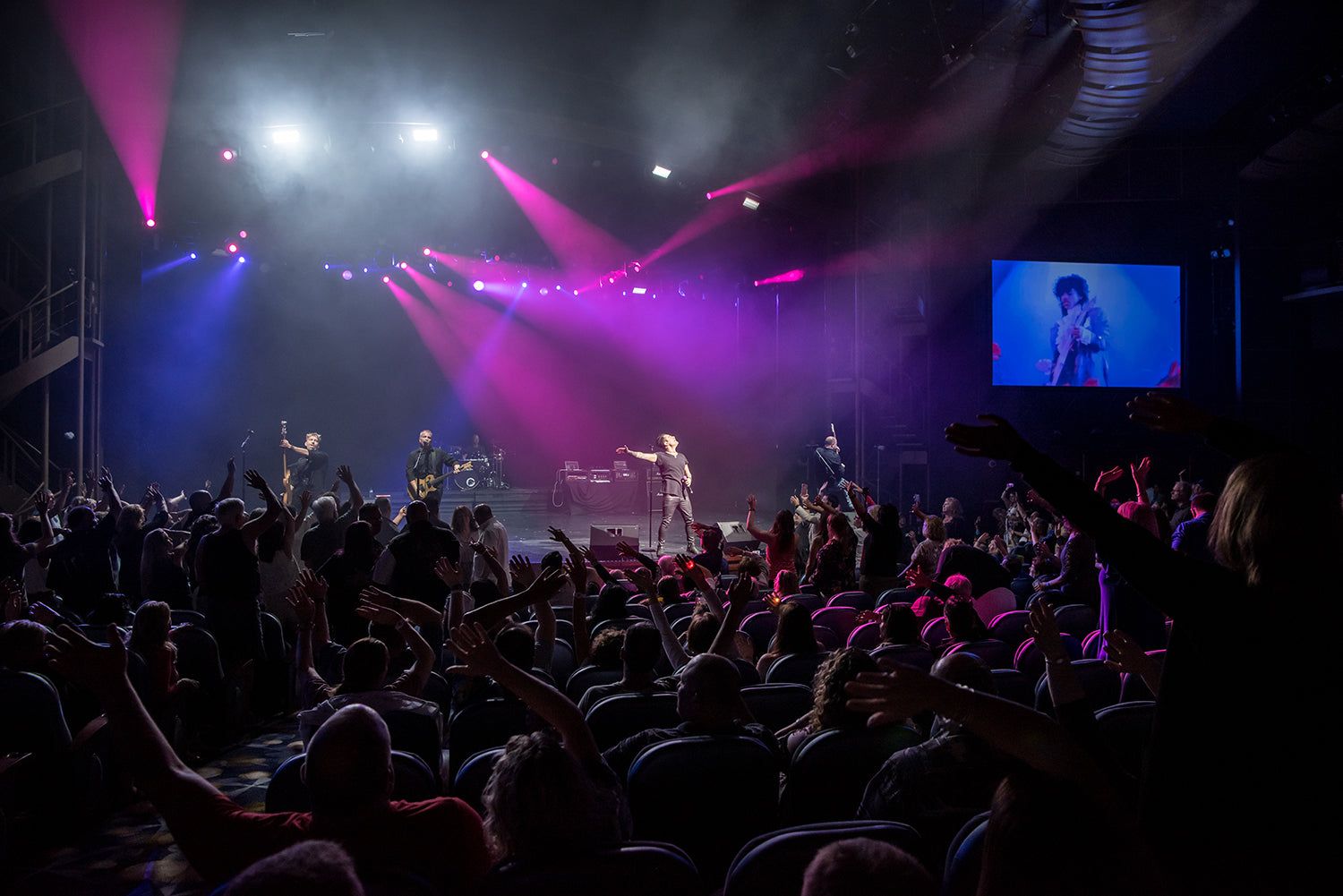
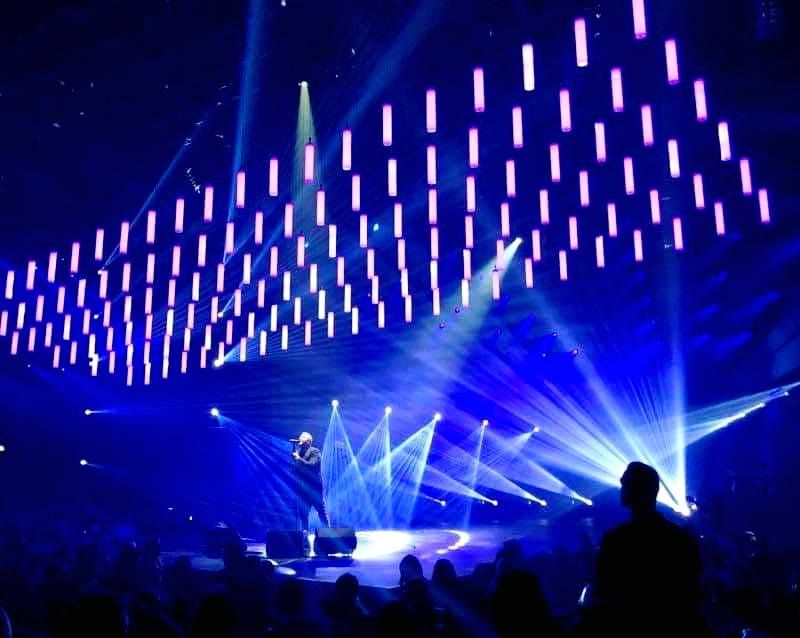
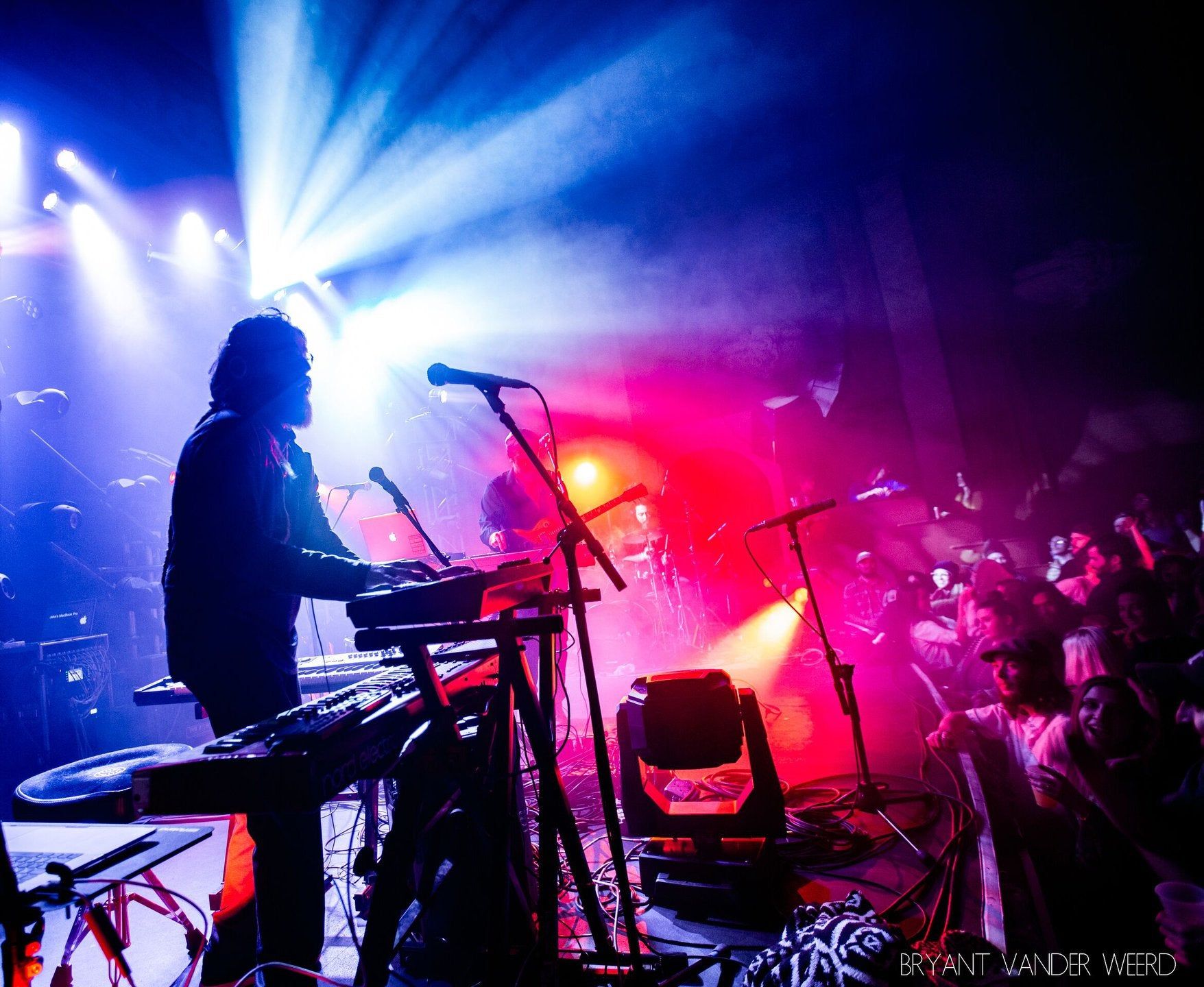
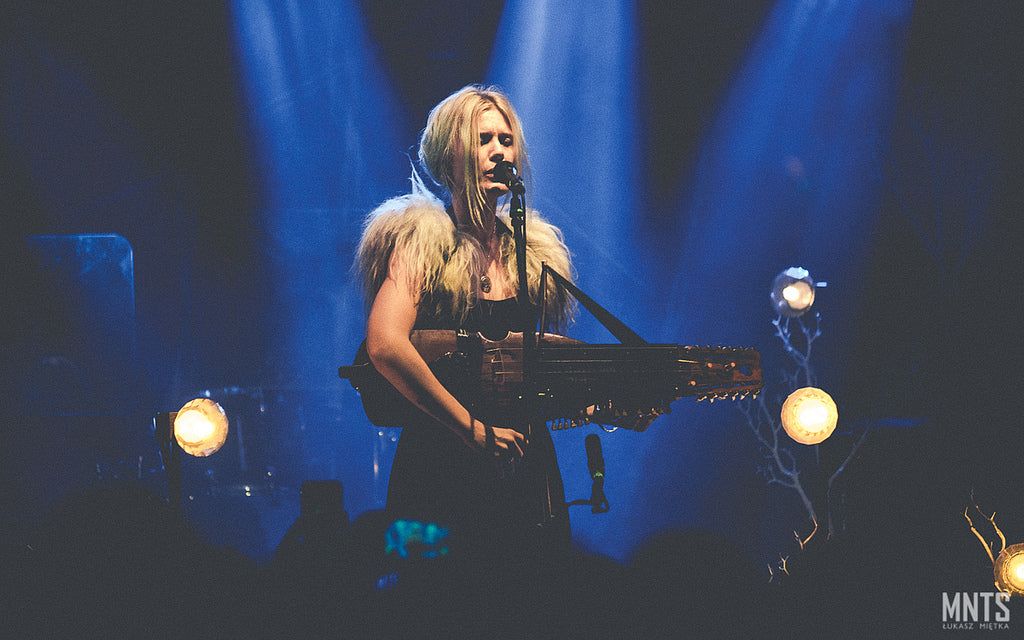
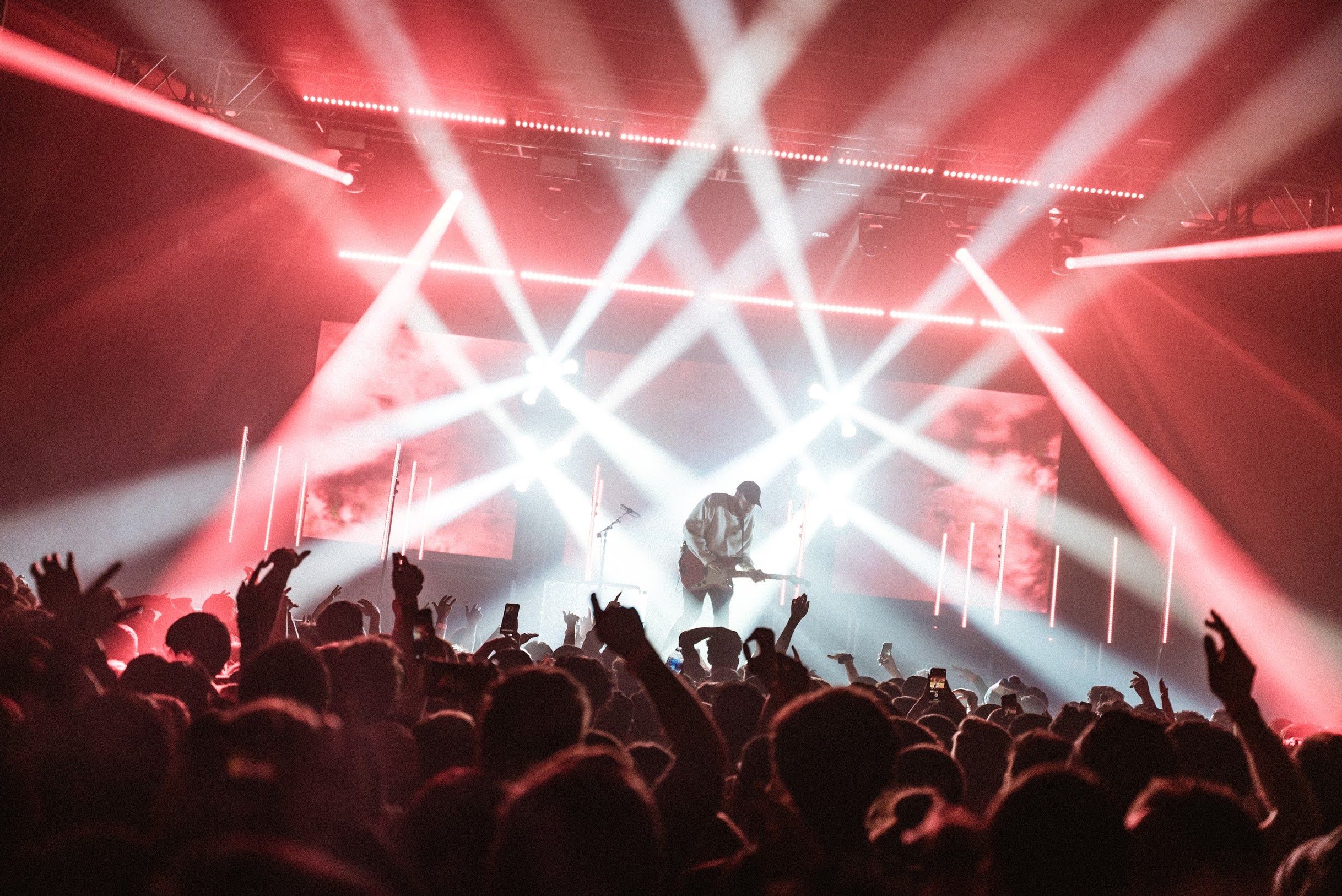
 For Horn, the music of Maribou State is a fertile incubator for his design vison. “I am all about creating drama and movement in the air by not actually wobbling fixtures, but by creating pulse and chase effects in different arrangements and in different orders across the rig,” he said. “Just because a fixture can move doesn’t mean it has to. I can create a sense of movement by doing something as simple as having the beams on the X Bars punch through at different times. This tour is providing me with a wonderful opportunity to demonstrate my design philosophy. The band was very keen on moody dramatic looks and was open to thick smoke and silhouetted moments. It was an LD’s dream come true to be so dynamic.”






 For
For  The
The 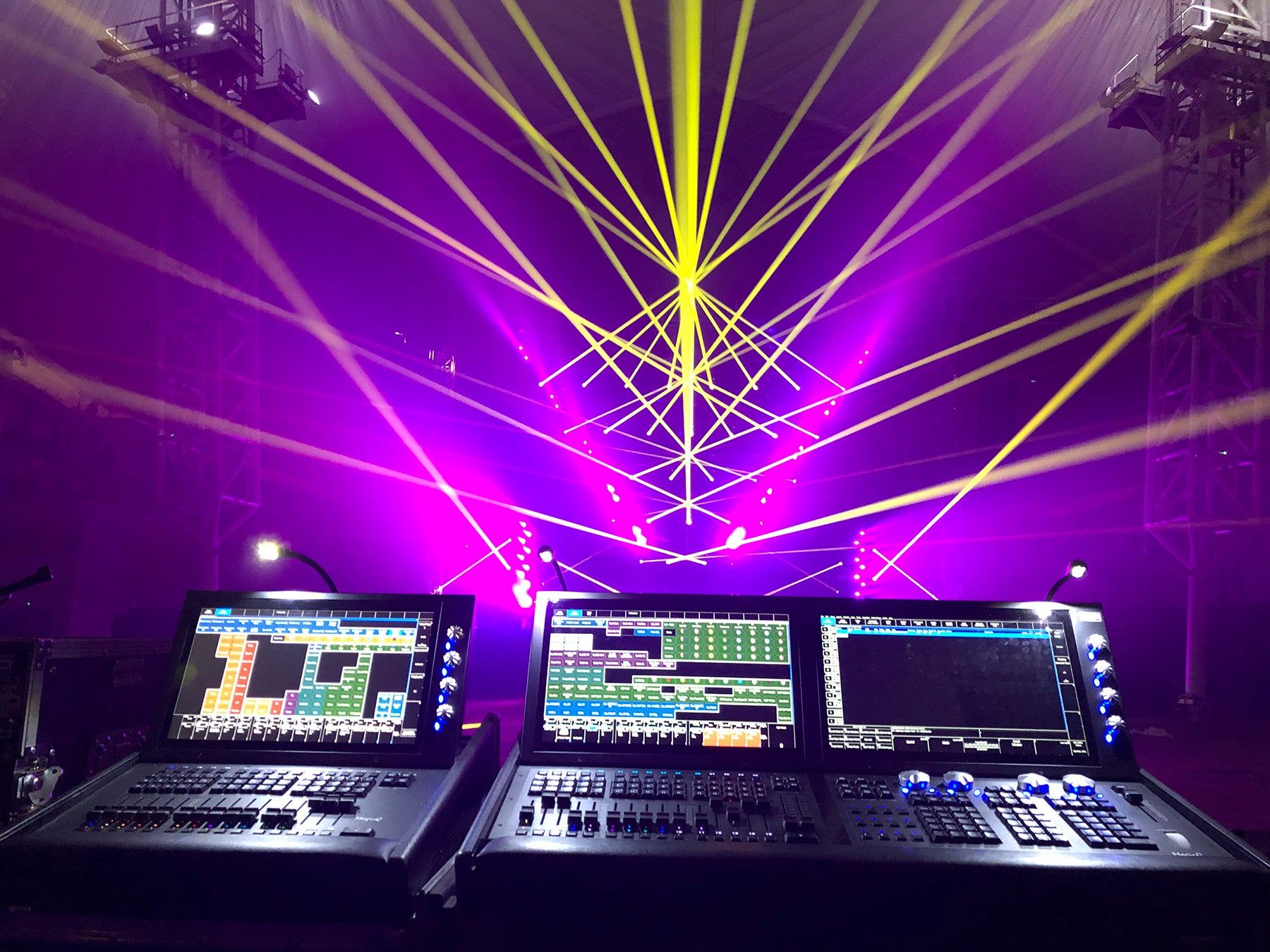
 Horn
Horn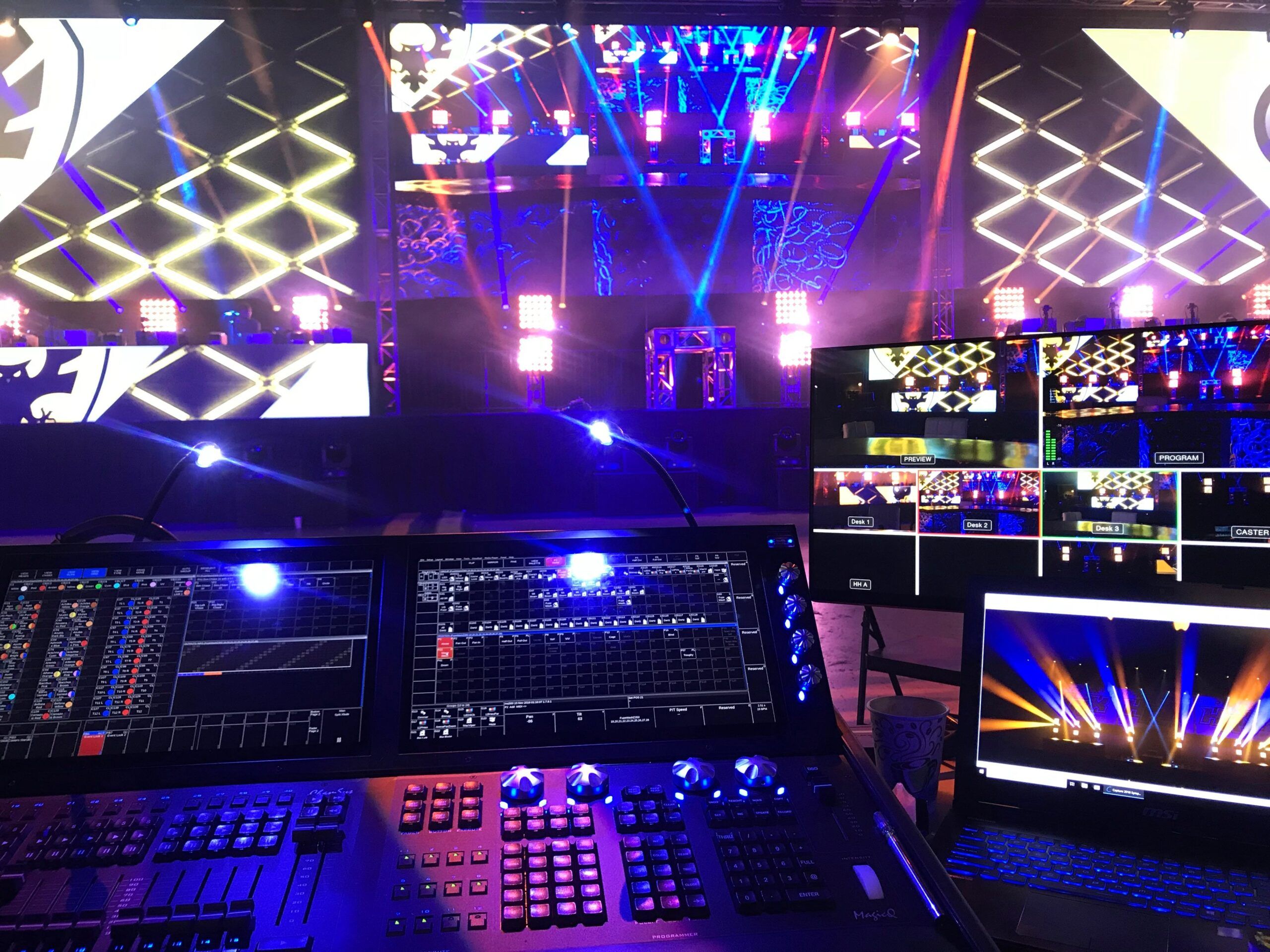
 Both stages had eight-universe shows with 79 controlled fixtures and 12 truss warmers that were set to the game’s branding colors. With the competition broadcast on Hi-Rez TV, the two designers gave prime consideration to creating looks that would translate well on camera, while still creating a friendly environment for the players and live audience.
 Keeping up with the flow of live gaming for broadcast meant that the programming process had to be done in an “organic and simplified manner,” said Scott. “We used one page of faders that held intensities, movements and FX,” he explained. “All of these playbacks were programmed with everything but color data. We then built a couple of Execute Pages, which held each team’s color palette. We also needed to be able to break up the team colors into ‘rig left, rig right or rig center,’ based on which side they played on, or if they won the match. The custom Execute Pages on the
  In addition to the Execute Pages, Scott found the MagicQ MQ500’s two large screens and the additional banks of playback buttons to be invaluable features in this project. “The extra bank of playback buttons on the top left of the 500 were used for effects that had to be triggered, but would then release automatically,” he said. “Dustin had a great idea to use the extra playback section located in the middle of the desk for quick fixture selection. This allowed us to call up any fixture group at the touch of a button.”
 Throughout the competition, Scott and Derry had mobile pre-vis rigs setup in their hotel rooms near the Georgia World Congress Center where the event took place. Scott had a ChamSys Maxi Wing in his room and Derry a PC Wing in his. “We did offsite programming and tweaks throughout the week, so everything always looked right for the competition,” said Scott. Based on the feedback the two designers received about their design, they certainly succeeded in doing that.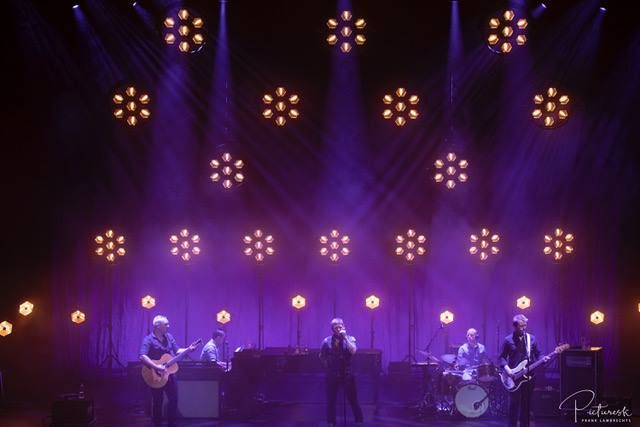


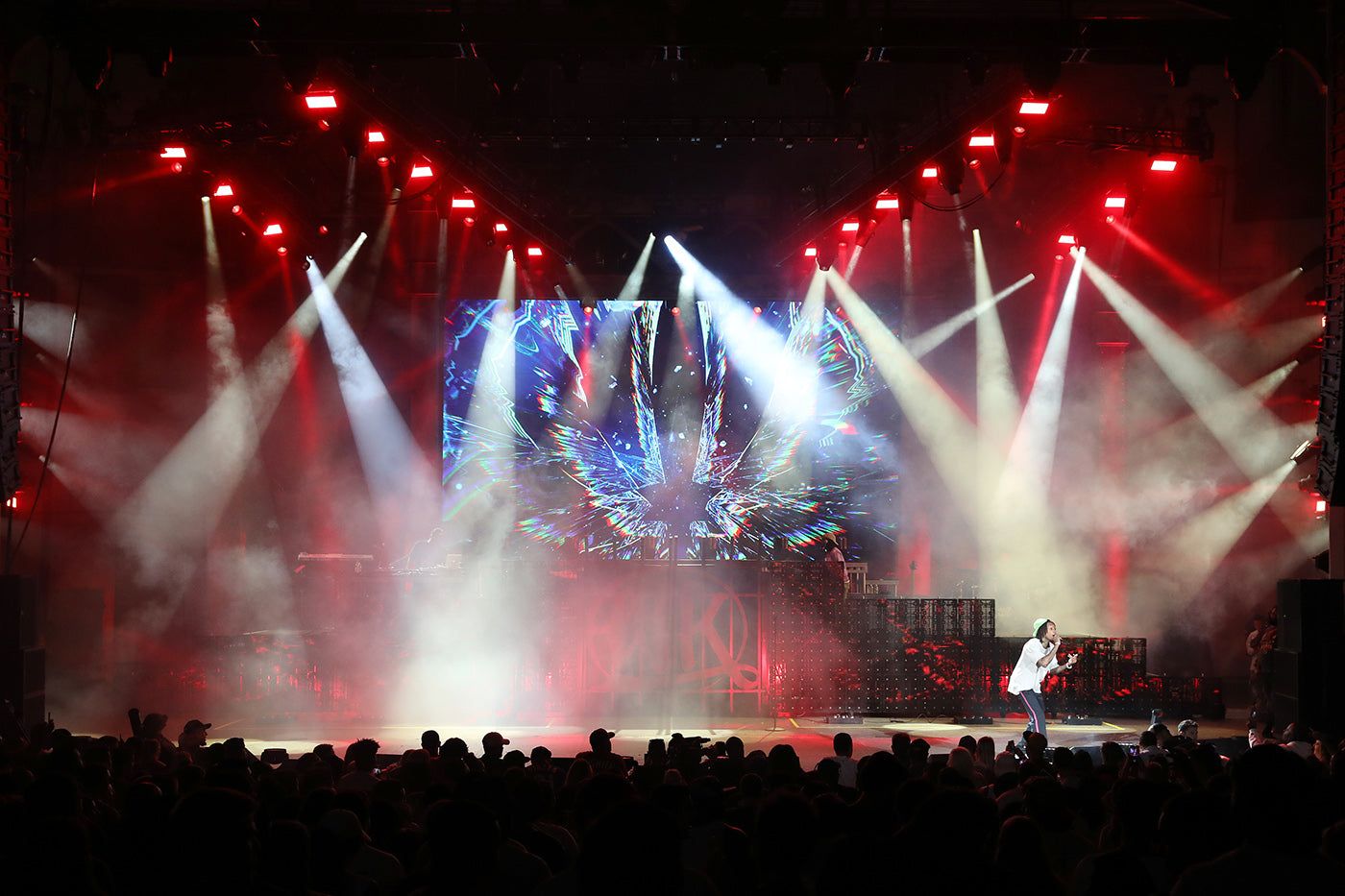
 That style, with all of its big looks, bold statements and roaring intensity was on full display this summer in Bullock’s work on the 27-city Wiz Khalifa and Rae Sremmurd
 There were multiple features on Bullock’s ChamSys console that made this process go very smoothly. “Being able to import cue lists from prior tours — button settings, titles, timings etcetera – saved us hours during the programming phase,” he said. “Direct access to palettes for programming (group 1, position 3, color 4, beam 6, enter) gave us an unprecedented level of speed. Not having to go search through touchscreens was far more efficient when it came to raw speed. Last but not least are the faders. By having extra buttons when FX get added or things change on the fly, you always have a place to record when trying to operate and edit at the same time.”